Publications List
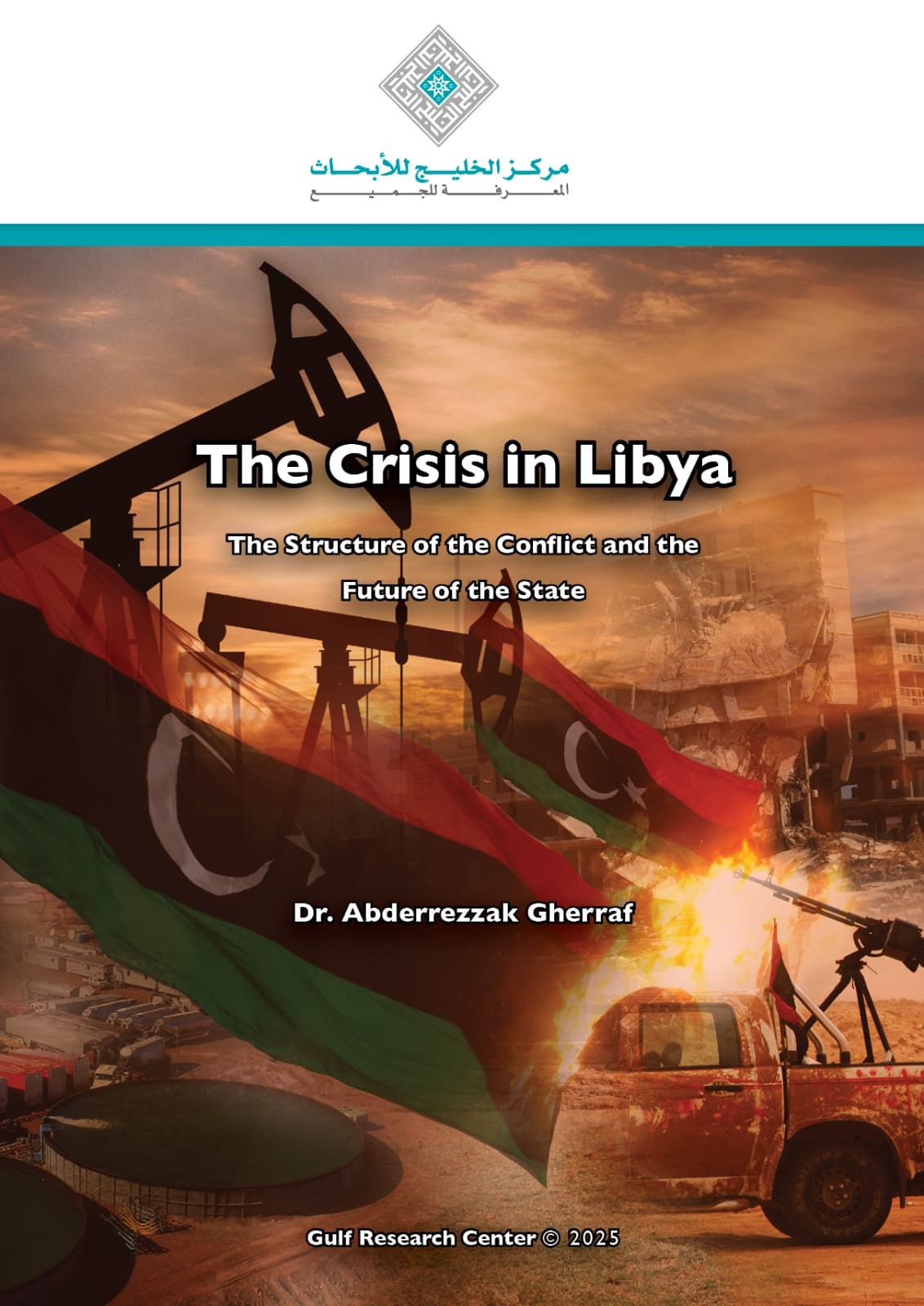
The Crisis in Libya: The Structure of the Conflict and the Future of the State
In his book, “The Crisis in Libya: The Structure of the Conflict and the Future of the State,” Dr. Abderrezzak Gherraf, Senior Researcher at the Gulf Research Center, provides a comprehensive description, analysis, and prognosis of one of the most critical regional crises threatening the already fragile Arab regional order. Dr. Gherraf specializes in regional and international security, security threats, and risk management in fragile states. He also lectures on International Relations, Security, and Strategic Studies at universities in Algeria.
This book presents a critical and analytical examination of the Libyan crisis, making a valuable contribution to Arab academic literature. The crisis not only affects the stability of the Arab region but also has significant implications for the geopolitical landscape. Its effects extend across the Mediterranean to Europe and further south into Sub-Saharan Africa, exacerbating political instability in a vast area already facing a severe security vacuum and developmental challenges in many of its countries.Libya is situated at the center of a complex and turbulent region, where its crises have been worsened by both international and regional interventions. These interventions have transformed the country into a battleground for various international and regional powers vying for influence. Almost fourteen years after the fall of Muammar Gaddafi’s regime, Libya remains entrenched in a multifaceted crisis that encompasses political, security, economic, and social dimensions. Despite ongoing efforts to resolve the situation, the crisis continues to deepen, largely due to internal challenges posed by local actors, as well as external influences from various regional and international sponsors involved to varying degrees.Libya represents both a significant strategic asset, given its vast resources, and a potential strategic catastrophe should its crisis escalate further. Such a worsening could trigger a violent explosion with repercussions for its neighboring countries and the regional power dynamics, as well as altering international relations and Libya’s role within them.Libya is a nation with an ancient name that is deeply rooted in history, although its current geopolitical context is relatively nascent. Geographically, it is strategically situated at the heart of the southern Mediterranean coast, connecting the Arab Maghreb and Mashreq. Libya acts as a geostrategic gateway, linking the Mediterranean to Sub-Saharan Africa.In addition to its vast energy and groundwater reserves, Libya's extensive desert holds significant sources of clean and renewable energy. These resources are just a small part of Libya's geopolitical and geo-economic strategic assets, which have fueled, and will continue to fuel, the ambitions of major and rising powers seeking a foothold among global giants.These strategic advantages have consistently made the country a focal point for international competition and conflict throughout history. This struggle, dating back to the times of Roman and Carthaginian empires, the ancient Greeks and Pharaohs, through the Ottoman sultans, European colonial leaders, and the Russian tsars and their Soviet successors, persists today with the leaders of the White House and modern Russia. Libya's current crisis is not an anomaly; rather, it is one of the latest manifestations of this ongoing dynamic, adding another link in the long chain of its contentious history.The author's goal in this book is to fill a significant gap in academic literature by providing a comprehensive account of the intricate details and ongoing developments of the Libyan crisis. The research community has faced challenges in producing sufficient work to fully understand the multifaceted and complex nature of this crisis, which involves various levels of analysis that a single study cannot entirely cover. This complexity, along with its repercussions, extends beyond domestic borders, having an impact in both regional and international contexts. Compounding these challenges is the rapid pace of events and shifts in the balance of power, largely driven by the constantly changing loyalties among local actors. These actors navigate their internal relationships and affiliations with external sponsors, often despite conflicting interests and the complexities of their agreements and disagreements.The author aims to provide a thorough overview of the complexities surrounding the crisis, examining its historical roots, ongoing drivers, and various phases. The book also investigates the internal consequences of the crisis as well as its broader regional and international implications. It analyzes potential development scenarios and their effects on the future of the Libyan state, focusing on both governance and society.This analysis presents a framework for understanding the conflict's structure and explores state-rebuilding efforts in the context of available crisis response and peace-building initiatives. Additionally, it includes a prospective outlook on future developments based on established realities on the ground. All of these topics are explored across eight main themes that make up the book's content.The various levels of analysis regarding the book's subject matter have given rise to numerous complex questions that help illuminate the nature of the Libyan predicament and its intricacies. A central issue that needs to be addressed is the extent to which societal contradictions and the long-standing institutional vacuum have contributed to the emergence and entrenchment of this crisis.In this context, what is the anticipated impact of the ongoing structural disintegration of institutions in Libya on the future of a crisis settlement? What are the limitations of relying on regional and international agreements to provide what is needed for a resolution, especially given the rapidly shifting dynamics of agreement and disagreement among these parties, as well as their conflicting interests? What possible scenarios can we expect, considering the variables introduced by the failure of the 2020 Geneva agreement and the renewed divisions that continue to hinder the achievement of its intended goals?The Libyan landscape is characterized by a complex web of actors with differing interests and conflicting agendas, which has posed significant obstacles to reaching a resolution in the ongoing crisis. This intricate situation has made it difficult to establish a unified consensus among all stakeholders, resulting in a state of "Chronic Crisis." This is exemplified by the repeated failure of successive transitional periods to reach a sustainable agreement. Progress that has been made has often been short-lived, lasting only as long as the motivations behind it. Consequently, whenever efforts have succeeded in bridging differences, the conflict inevitably resurfaces, fueled by renewed tensions that continue to perpetuate the crisis.The Libyan issue is characterized by a high level of complexity as well as regional and international entanglements that exceed those of other crises in the region, including those in Syria, Egypt, Tunisia, and Yemen, which were influenced by the political transformations of 2011. While the situation in Syria is the closest parallel to Libya, given its impact on regional and international dynamics (things that complicate the resolution of both conflicts), local factors play a significant role as well.At the heart of the Libyan crisis is a unique convergence of the struggle for “power and wealth,” two determinants that intersect solely in the case of Libya. This exceptional nature not only distinguishes the Libyan crisis from others but also shapes its specific path towards resolution and settlement.Although the characteristics of this crisis are clear, the conditions necessary for a settlement have often been either absent or actively undermined. Even when some progress has been made, due to a minimal consensus locally, regionally, and internationally, any advancements have frequently reverted the conflict back to square one. As a result, Libya has been in a state of crisis for nearly a decade and a half.In light of the preceding analysis, this book makes a significant contribution to the academic discussion surrounding the Libyan crisis. The author carefully examines the complexities and ambiguities of the conflict, maintaining strict objectivity throughout. This approach is essential for producing credible research, which is necessary to identify effective and practical solutions to alleviate the devastating consequences of this ongoing conflict. The ultimate goal is to preserve Libya's unity and existence, ensuring that the state and its people do not endure further suffering beyond what the past years of crisis have already inflicted.As a result, the content may be embraced by some and challenged by others. This diverse reception occurs despite the author's genuine commitment to maintaining high standards of impartiality, along with a vigilant focus on factual accuracy. While the work conveys accurate information, it also clearly articulates the author's reasoned conclusions, inviting readers to engage with and reflect on the insights presented.
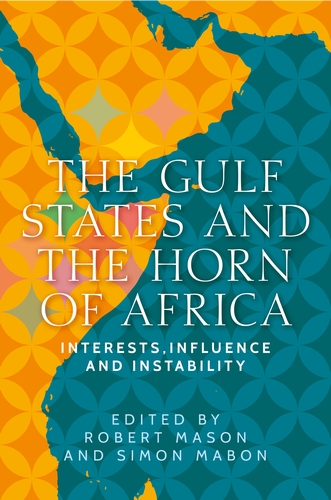
The Gulf States and the Horn of Africa Interests, influences and instability
The Gulf States and the Horn of Africa takes a deep dive into the complexities of power projection, political rivalry and conflict across the Red Sea and beyond. Focusing on the nature of interregional connections between the Gulf and the Horn, it explores the multifaceted nature of relations between states and the two increasingly important subregions. Bringing together scholars working on and in both regions, the book considers strategic competition between Saudi Arabia and Iran, and between the UAE and both Qatar and Turkey, along with other international engagement such as joint anti-piracy operations, counterterrorism cooperation, security assistance, base agreements and economic development.Drawing on a range of subject expertise and field research across case study countries, the volume adds to the sparse literature on the regional and international politics of the Horn of Africa and Red Sea, gleaning specific insights from contemporary reflections across the book. This is essential reading for students and researchers interested in the Horn of Africa and the evolving regional geopolitics of the Gulf.
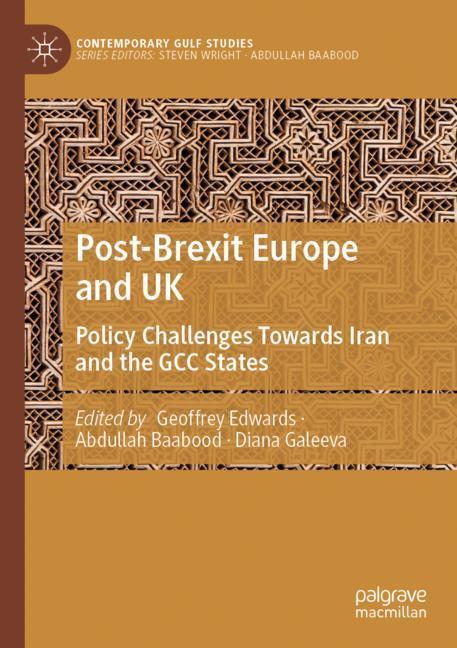
Post-Brexit Europe and UK: Policy Challenges Towards Iran and the GCC States
This book discusses how tensions and unknowns may impact future relations between a post-Brexit UK, the EU and the countries of the Gulf, including Iran. The authors of this book consider, in different ways, whether British and EU27 relations with the Gulf States may change or whether the traditions and the weight of their history reinforce the preexisting patterns of these relationships. Ongoing changes in the Gulf, the present disputes and the trajectories economic reform also influence these discussions. The book analyses the changing positions of the US, China and Russia that are likely to impact Europe’s interests.It explores outcomes of ongoing world challenges, such as the COVID-19 pandemic and the crash of oil prices, to further examine Post-Brexit Europe and UK policy challenges towards Iran and the GCC States.
Higher Education in the Gulf: Quality Drivers
This authoritative edited volume examines the drivers of higher education in the Gulf region. It offers insightful analyses and examines contemporary pedagogical, management, strategic, and relevant issues on quality education that confront higher education institutions.Written by higher education specialists, curriculum developers, and policy makers from diverse international backgrounds, the book analyses issues affecting the Gulf Cooperation Council (GCC) region, with a particular focus on Oman and Saudi Arabia. It is divided into regional and non-regional drivers and considers drivers as potent enablers of a management system and educational structure at the intersection of quality education and quality management in higher education. Chapters include discussion of organisational, management, and policy issues including strategic innovation, internationalisation, quality assurance, and global rankings of higher education institutes. The book includes discussion of the challenges posed by the COVID-19 pandemic on teaching and learning policies, practices, and programmes.This book will serve as an essential reference for quality management in higher education institutions in the Gulf, and will be highly relevant reading for academics, researchers, and students of higher education, education management, and quality education in the Gulf region.
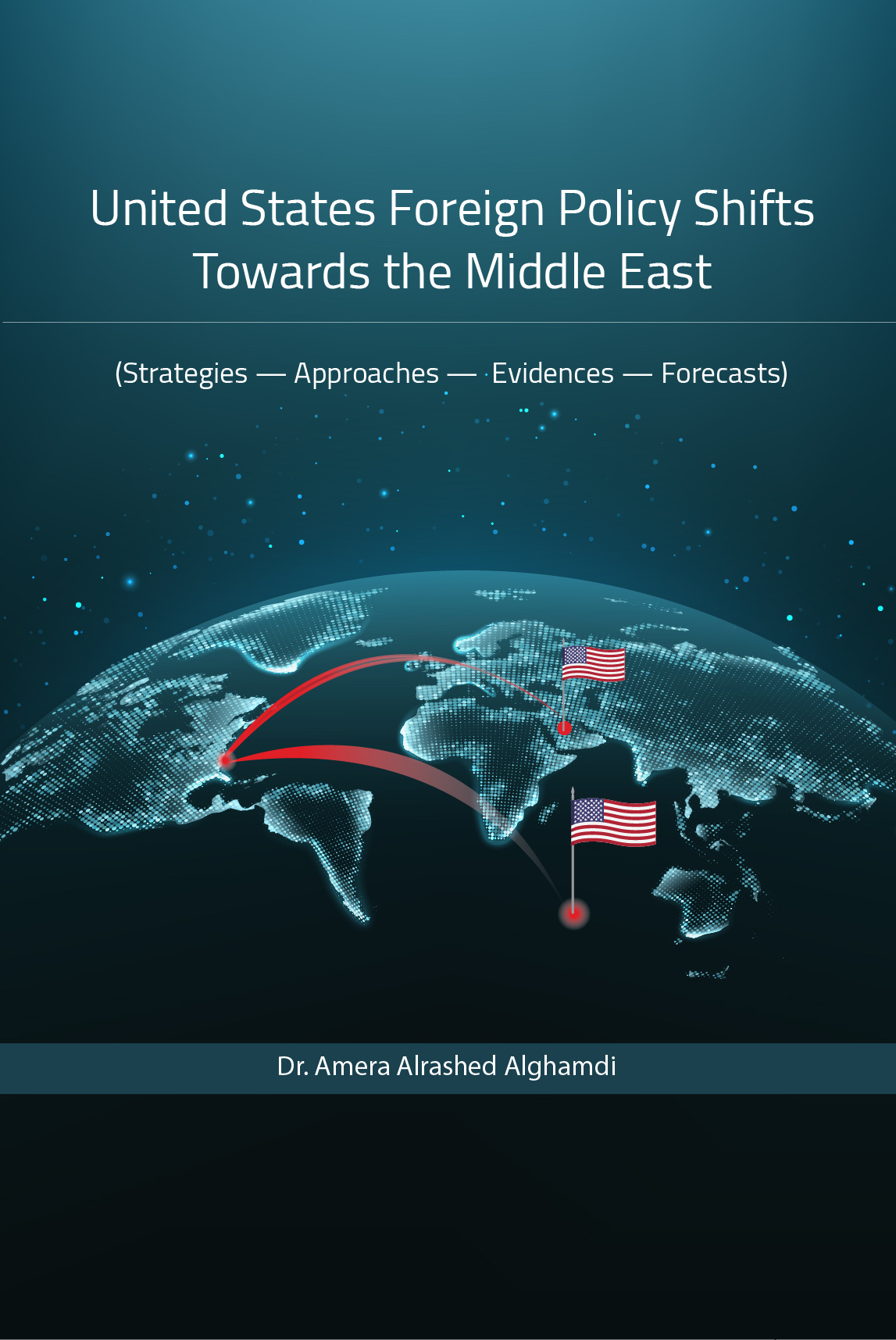
Changes in United States Foreign Policy Shifts Towards the Middle East (Strategies — Approaches — Evidences — Forecasts)
Changes in United States Foreign Policy Shifts Towards the Middle East (Strategies — Approaches — Evidences — Forecasts)
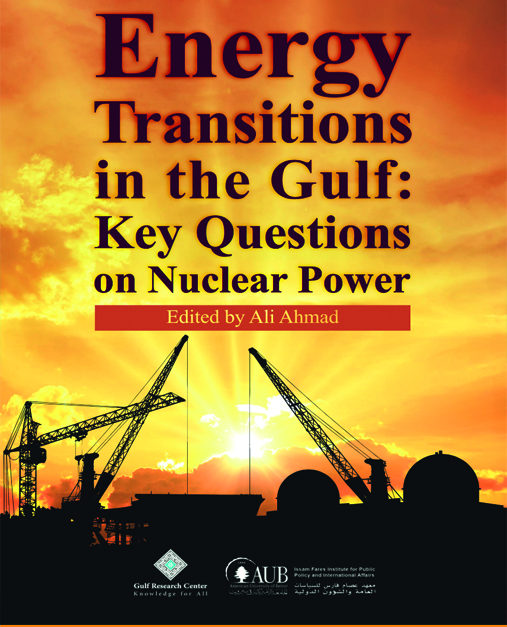
Energy Transitions in the Gulf: Key Questions on Nuclear Power
Several countries in the Middle East, including the United Arab Emirates and kingdom of Saudi Arabia, are in the process of planning, establishing or expanding their nuclear power programs. The official rationale for investing in nuclear energy differs from one country to another, but broadly speaking, it seems to emerge from the need to improve energy security through reducing the reliance on oil and natural gas to generate electricity and desalinated water. This volume aims to examine the challenges as well as the opportunities associated with the deployment of nuclear power in the region. The key focus areas of this book are the economics of nuclear power; nuclear security and potential for regional cooperation; and technology overview.
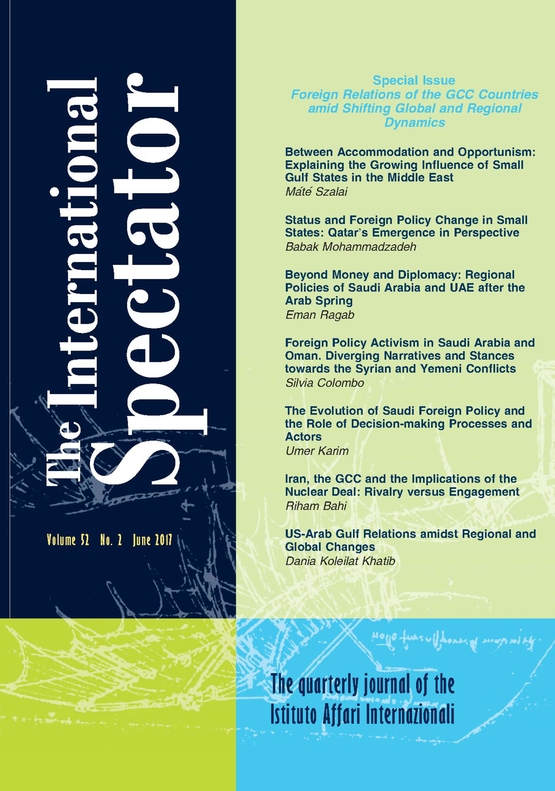
Special issue: “Foreign Relations of the GCC Countries amid Shifting Global and Regional Dynamics”
This Special Issue examines the foreign policies of the GCC countries six years after the Arab uprisings in terms of drivers, narratives, actions and outcomes, paying particular attention to Middle Eastern countries, Iran and Western international powers. The assessment focuses on current affairs, but also contributes to establishing a productive link between empirical studies and the existing theoretical frameworks that help explain the increasing foreign policy activism of the GCC countries. All in all, the articles collected in this Special Issue shed light on and provide a more solid and fine-grained understanding of how regional powers like Saudi Arabia, as well as the other smaller GCC countries, act and pursue their interests in an environment full of uncertainty, in the context of changing regional and global dynamics and power distribution. The Special Issue brings together a selection of articles originally presented and discussed at the Seventh Gulf Research Meeting (GRM) organised by the Gulf Research Centre Cambridge at the University of Cambridge on 16-19 August 2016.
The Gulf and Latin America: Exploring New Avenues of Exchange
In the last few years, there has been a substantial increase in trade and investment between Latin America and the Gulf region as well as the opening of new embassies among these countries, a trend that started in the second half of the last decade. Besides the diverse encounters at the official level through the Arab South American Summits, an increasing number of non-state actors are participating in the growing exchange between these regions, reflecting a renewed interest in enhancing cooperation beyond the government level. This book describes how non-state actors are able to create avenues of participation to bring the GCCcountries and Latin America closer. By examining the different types of actors and issues involved in the increasing exchange, this volume provides anoverview ofone important aspect of the relations between the two regions and the possibilities to consolidate and expand cooperation. Regarding cultural and educational activities which aim to bring the societies of the two regions closer, the bookdescribes the role played by regional organizations, besides the cultural and trade exchange in terms of the art market. In trade and investment, the impact of the relationship between the state and the growing businessmen networks is assessed. Further, the cooperation between the private sector, foreign investors, and the state and its effect on liberalization policies in Latin America is weighed as an opportunity to apply to the GCC economies. At the level of society and the role played by the Muslim/Arab communities in Latin America, thisbooklooks at their transnational links as well astheir influence in the foreign policies of the Latin American countries towards the Gulf region, besides their input in the formation of identities across the regions. This volume offers a non-traditional view focusing on specific actors and issues in the evolving relationship between the Gulf and Latin America, thus providing an understanding of the possibilities and obstacles in the relationship.
Arab Geopolitics in Turmoil - Perceptions, Unknown and Policies
Traditionally the Middle East is considered a region so complex that it does not allow a clear political narrative on its political and strategic priorities: it is an explication but also an excuse for short sighted crisis management and inaction. This conference, where the NATO Defense College Foundation has brought together an exceptional array of regional practitioners in a very critical period of the region, has dispelled this and other myths.
Gulf Cities as Interfaces
The Cooperation Council for the Arab States of the Gulf, also known as the Gulf Cooperation Council (GCC), represents one of the most urbanized regions in the world, with an estimated 70 percent of the population residing in cities. The GCC states have adopted strategies to balance growth and shift dependence on oil. Architecture and urbanism are seen as dynamic facilitators and flexible commodities in the network of transnational urbanisms and global capitalist forces. Cities in this region are shaped by various forces: historical, geopolitical, demographic, and topographical contexts as well as by large influxes of investments and workforce. These cities now shape 21st century urban concepts. This volume is an exploration of specific Gulf cities as interfaces. Twenty first century cities continue to act as interfaces not only as physical spaces but also as evolving machinery and tools of capital. From food urbanism and edible landscape to modernist ideals, grandiose visions, and new orientalism's, the papers in this volume address and investigate the city in four variances: Urbanism and Identity as Interface; Landscape and Geography as Interface; Social Condition and History as Interface; and Culture and Politics as Interface

Visual Culture(s) in the Gulf: An Anthology
The most widespread representation of the Gulf depicts megastructures and a network of infrastructural landscapes organized within a highly visualized urban environment. The Gulf city aspires to compete in a global market and tends to accentuate its symbolic economies making use of arts and signature architectural projects to promote its image. In this process, it works through identity negotiation between a capitalist super-modern tendency and Arab Islamic conservatism. Dubai is a good reflection of this archetype. Yet beneath this image, there exist countless narratives that are inherently integrated within regional visual practices: the particularities and cultural limitations of visual territories, local ways of seeing, imagery production, display and visualism, as well as ocular perceptions of the city and issues of physiognomy of form in urban morphology. This book is about the visual turn in the Gulf. It traces image production and consumption and examines the existing visual landscape in the region. Writings examine the wealth of visual culture(s) in the Gulf in order to explore how meaning is both made and transmitted in an increasingly visual world. Seven chapters draw together writings on the relationship between cultural production, visual practices, and the politics of representation while ultimately arguing for a multidimensional reality in the cultural production of the Gulf region. Authors depart from various theoretical perspectives on iconology, museology, urban morphology, globalization, post-colonial narratives, feminist critique, transnational cultural shifts, and identity politics.
Sustainable Development Challenges in the Arab States of the Gulf
This volume surveys the increasing challenges facing the Arab Gulf states in terms of sustainable consumption and production. Topics include: - Environmental sustainability: waste, recycling, water, energy, renewables, and pollution - Economic sustainability: employment, education, training and business engagement - Social sustainability: equality and diversity, pollution, congestion, community participation Includes contributions from specialists from the UAE, Bahrain, Lebanon, Egypt, Oman, Saudi Arabia, Morocco and Qatar as well as from the US and the UK. This volume is based on a workshop held at the 5th Gulf Research Meeting organized by the Gulf Research Center Cambridge in summer 2014.
Employment and Career Motivation in the Arab Gulf States The Rentier Mentality Revisited
The notion of “rentier mentality” has haunted the literature on the Gulf States for almost 40 years now. However, few studies have actually provided insight into how the Nationals themselves perceive their career motivators, employability and productivity. The eleven studies of this book present both empirical findings and case studies that reveal what nationals expect from their workplace and what hinders them from a personal, meaningful contribution. While it seems that an initially high work motivation is often annihilated by structural impediments such as a strong hierarchy or widespread wasta, it also seems that many national fail to understand the urgent requirements of the GCC labour markets.
The Changing Energy Landscape in the Gulf: Strategic Implications
Extreme fluctuations in oil prices (such as the dramatic fall from mid-2014 into 2015) raise important strategic questions for both importers and exporters. In this volume, specialists from the US, the Middle East, Europe and Asia examine the rapidly evolving dynamic in the energy landscape, including renewable and nuclear power, challenges to producers including the shale revolution, and legal issues. Each chapter provides in-depth analysis and clear policy recommendations. This volume is based on a workshop held at the 5th Gulf Research Meeting organized by the Gulf Research Center Cambridge in summer 2014.
Rebuilding Yemen: Political, Economic and Social Challenges
As Yemenis start planning the reconstruction and rebuilding of their country after recent turmoil they face huge challenges in every major sphere. This book discusses the political and economic background and analyses the most important issues: - the option of improved governance through a federal government - addressing the powerful and patronage networks of the previous regime - investing in Yemen’s human and natural resources to compensate for falling revenues from oil and gas - maintaining rural life through reduced dependence on irrigated agriculture and investing in enhancing rain fed agriculture - addressing the issue of urban water shortage through desalination - involving women in enhancing security This volume is based on a workshop held at the 5th Gulf Research Meeting organized by the Gulf Research Center Cambridge in summer 2014.
The United States and the Gulf: Shifting Pressures, Strategies and Alignments
Gulf region’s relations with the outside world are changing radically. The Gulf’s major trading partners are now no longer predominantly Western. China, in particular, now has a significant stake and highly critical interests in the region. The United States still dominates the security field, yet its Gulf allies have come to doubt the strength of US commitment. Meanwhile the Arab monarchies of the Gulf are struggling to cope with multiple divisions, problems and threats: the radical forces of change unleashed by the Arab Spring, the rising power of ISIS, and the destabilising impact of their unsettled relations with Iran. This book examines the range of security issues which this situation has given rise to: the nature and scope of US power, and the likely directions of future policy; the options open to Asian powers with interests in the region; the concerns, strategies and dynamics of the regional states; and the feasibility of European states assuming a security role in the region.
GCC–Turkey Relations: Dawn of a New Era
In 2008, Turkey became the first country outside the Gulf to be given the status of strategic partner of the GCC. This was a turning point in Turkey-GCC relations as, for long, Turkey’s relations with the region had been quite weak, and the two sides had not spent much effort to revive trust-based mutual relations since the Ottoman period. Since 2008, relations have improved in an unprecedented way. The signing of a Memorandum of Understanding in Jeddah in December 2011 laid the foundation of a regular dialogue at the ministerial level, while Turkey’s trade volumes with the Gulf monarchies reached $19.6 billion in 2012. What explains these remarkable changes? What can be done to encourage exchange of technical expertise and information, improve economic relations, and initiate negotiations to establish free trade zones? The contributions in this volume address these questions and evaluate the historical, cultural, economic, and political reasons for the improving GCC-Turkey ties with a special emphasis on changing security perceptions after the start of the Arab Spring, and specifically the Syrian civil war. They explore the potential areas for further cooperation and the impact of economic interdependence, cultural interactions, and power balances on the evolving relationship between the two sides. To sum up, this timely book provides comprehensive assessments from a well-informed multinational group of authors, thus making an interdisciplinary contribution to the existing literature on GCC-Turkey relations.
Islamic Finance: A three-volumes series.
This collection of new research brings together state of the art thinking by 45 experts from academia and business on all key aspects of Islamic Finance. Individual volumes deal with the key issues of: Political Economy, Values and Innovation; Risk, Stabilty and Growth; and Performance and Efficiency. Islamic Finance has had a transformational impact on markets well beyond the Muslim world. This development has been the outcome of various stakeholders and agencies interacting to develop a political economy based on Islamic values to generate religiously and culturally authentic financial institutions and instruments. The studies presented in these volumes discuss such interactions through specific examples from the GCC countries supported by comparative perspectives in order to articulate the development and consequences of Islamic Finance.
GCC-India Relations
Rather than just stress the present comfort zones, the essence of this book lies in its emphasis on an institutional and practical approach to diversify relations between the Gulf Cooperation Council (GCC) countries and India beyond the economic realm in future. The prescriptions to realize this from two teams of academic scholars and diplomatic practitioners of the GCC countries and India, who interacted as part of a unique Track 1.5 effort, form the core of the book. Covering the energy, economic, diasporic, political, security, international, social, environmental and cultural dimensions of the relations between the two sides, the chapters outline ways to transform the current engagement into a strategic one. In the process, the book analyzes the ground realities as they are, explores areas to intensify cooperation, identifies obstacles and advocates ways to circumvent them in order to ensure a win-win situation. The fact that the various chapters approach this exercise from different timeframes adds to the novelty of the book. Further, since the effort of all the authors is deliberately geared towards recommending policy-oriented steps to the governments on both sides, it is a treasure trove of workable ideas and options that bears the potential to significantly upgrade GCC-India relations in the short, medium and long terms.
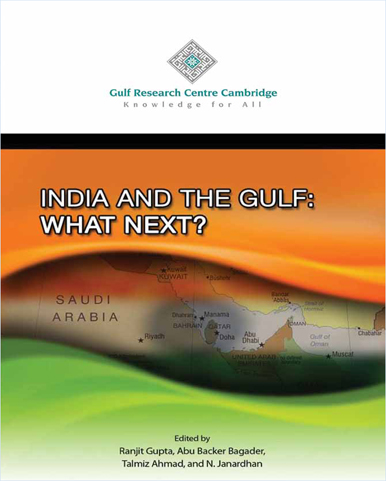
India and the Gulf: What Next?
A combination of global political and economic factors helped Asia and the Gulf ‘rediscover’ their ties in the beginning of the 21st century. The Gulf Cooperation Council (GCC) countries adopted a ‘Look East’ policy, as a result of which India further consolidated its age-old partnership with the region. Against the backdrop of this renewed ‘East-East camaraderie’, this book explores how growing GCC-India economic ties could impact the future course of their relationship. It postulates that the stage is now set for the construction of a strategic GCC-India partnership, including the evolution of a strategic role for India in the region.
The Uneasy Balance: Potential and Challenges of the West's Relations with the Gulf States
As part of a larger publication entitled "The Uneasy Balance: Potential and Challenges of the West's Relations with the Gulf States" edited by Riccardo Alcaro and Andrea Dessì and published by the Istituto Affari Internazionali (IAI), the chapter entitled "The GCC States and the West: Challenges of Arab Transitions" by Christian Koch is now available for download and further reading. The publication is the result of the fifth edition of the Transatlantic Security Symposium held in Rome on 16 November 2012.
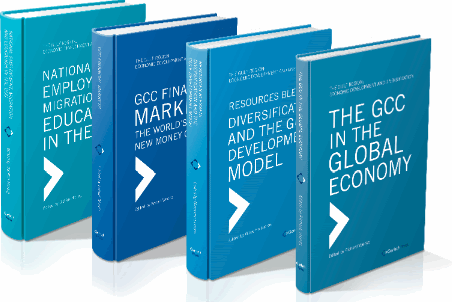
The Gulf Region: Economic Development and Diversification
The four volumes in this major research collection address the key economic issues which affect the future development and diversification of the member states of the Gulf Cooperation Council (GCC), namely Saudi Arabia, Kuwait, Bahrain, Qatar, UAE and Oman. Specifically, this recent research covers: ~ Economic Diversification ~ Development of Global Partnerships ~ Labor Markets and Migration ~ Financial Markets as Global Players The work brings together state-of-the-art analysis by some 40 international scholars who participated in a major joint initiative by the EU and the GCC, the al-Jisr project on EU-GCC Public Diplomacy and Outreach headed by the Gulf Research Center and supported by the European Commission. This collection will prove an essential reference work for policy makers and scholars on all the critical issues facing the Gulf countries as their economies develop beyond dependence on the oil and gas sector and forge new international alliances.
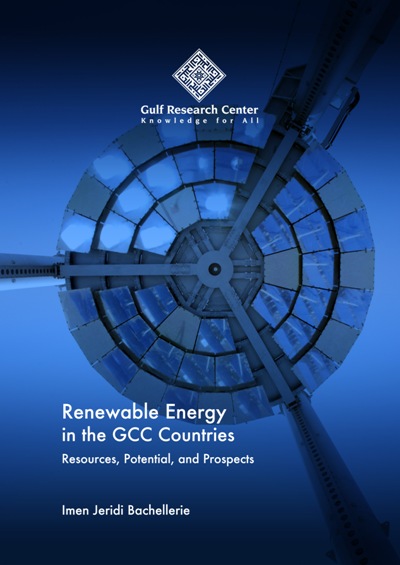
Renewable Energy in the GCC Countries: Resources, Potential, and Prospects
The aim of this book is to help identify the potential role that renewable energy sources (RES) can play in the future energy mix of the GCC countries; it looks closely at the major past and present renewable energy initiatives and policies, as well as industrial and research capabilities in the region, with a specific focus on solar and wind energy technologies. In doing so, this study examines the drivers and requirements for the deployment of these energy sources and their possible integration into sectors as different as electricity generation, water desalination or green building. Illustrated by a wealth of practical cases and studies, and aspiring to be used as a reference book, this study aims to help researchers comprehend the overall capabilities and achievements of the GCC countries in the renewable energy field, so that perspectives on the region’s strategic energy issues are objective and sustainable models are encouraged. Even when topics beyond their fields are discussed, researchers from many diverse fields will find the style to be accessible, while information remains detailed and ‘technical’. The book’s multidisciplinary approach gives voice to all stakeholders without judgment or partisanship, leaving the reader free to form his or her own opinion about the challenges that are at stake, and decide the course of action that is required by the current situation.
GCC Financial Markets
In the countries of the Gulf Cooperation Council (GCC), an increased need for finance meets underdeveloped capital markets. Ambitious development plans in fields like petrochemicals and infrastructure as well as a rapidly growing population form the backdrop of this scenario. While world capital markets show on average a balanced capital structure of debt securities, stock market capitalization, and bank assets, bond markets in the GCC countries are underdeveloped and the capital mix is heavily skewed towards banks. This book outlines the structure of various segments of GCC financial markets and points to regulatory challenges and possible future developments. The issues range from capital market structures to the planned GCC Monetary Union, Islamic banking, and sovereign wealth funds. In the wake of the global financial crisis and international currency turmoil, financial markets in the GCC countries face particular challenges. This book gives particular attention to the empirical situation on the ground and the institutions involved in the ongoing process of change.
The EU and the GCC: Challenges and Prospects under the Swedish EU Presidency
More than two decades after the 1988 EU-GCC Cooperation Agreement, institutional ties between the two blocs have emerged at several levels. On the multilateral level, interactions between the European Commission and the GCC states have taken the relationship forward over the years. Relations have also proceeded similarly at the bilateral level between individual member states. However, the progress has not always been smooth. The issue of a free trade agreement (FTA) has become a sticking point and negotiations are yet to yield a concrete result. Beyond the FTA issue, however, there are several areas such as education, economic governance, Islamic finance, empowerment of women where the EU and the GCC could expand their collaboration. The two sides could also have a closer dialogue on security issues. Besides, civil society organizations in the two regions could further inter-regional cooperation. The papers in this volume examine some of these aspects of GCC-EU relations and suggest ways for a more broad-based and effective collaboration.
Russian and CIS Relations with the Gulf Region: Current Trends in Political and Economic Dynamics
The relations between Russia and the Gulf States on the one hand and the CIS and Gulf region on the other form the overarching theme of this book. The Soviet Union exercised an energetic foreign policy towards the Arabian Gulf and the broader Middle East during the late-Cold War period. Following the disintegration of the Soviet state, Moscow’s influence in the region rapidly declined although the Gulf retained a high level of strategic significance for the Kremlin’s foreign policy makers. In recent years, a number of pivotal factors, including international terrorism and Islamic militancy, Russia’s vast expansion in the export of its primary energy commodities to global markets, the international arms trade and nuclear non-proliferation, are all compelling Moscow to commit greater foreign policy resources into engagement with the Gulf region. In this volume, an array of scholars from different disciplines provide their perspectives on contemporary relations and diplomatic engagements between Russia, the CIS and the Gulf region. They examine the political, economic, security and cultural aspects of the relationships to provide a comprehensive overview of the burgeoning ties between the countries of these regions.

India’s Growing Role in the Gulf: Implications for the Region and the United States
Historically, India has maintained close links with the Gulf region. Besides the people-to-people contacts built up over centuries, the trade relationship has also been very strong. Over the last several decades, the Indian workforce has contributed significantly to the development of the Gulf countries. A major economic player in the world today, India is now positioned to play a bigger role in the Gulf. Other than economic issues, security and energy issues too will play a significant role in the India-Gulf relationship. To explore the various aspects of the burgeoning India-Gulf relationship, the Gulf Research Center and The Nixon Center co-hosted a workshop in Dubai titled “India’s Growing Role in the Gulf.” This monograph contains the papers that were presented at the workshop.
Saudi Arabia, GCC and the EU: Limitations and Possibilities for an Unequal Triangular Relationship
This book aims to provide a comprehensive study of the possibility of a relationship between Saudi Arabia, through the Gulf Cooperation Council (GCC), and the European Union (EU). Given the high level of common interests between the two actors, it is surprising that forms of international cooperation are not highly developed. To date, there has been very little academic focus on the relationship between Saudi Arabia and the EU. This book examines the obstacles confronting the prospective relationship, as well as the impact of external factors, such as the US, and others, such as 9-11 attacks and the War on Terror. The research is organized thematically and looks at the following issues which have a bearing on the evolving relationship: the security dynamics; cultural and human rights issues; and economy. Besides, a number of key areas are explored that illustrate the fluid dynamics of EU-Saudi relations; these include security, political economy, and political culture. Although the relationship is strong in the area of trade, it is not well developed institutionally, and this does not allow it to become a strategic partnership. This is due to certain major factors, including the cultural differences between the EU (and its member states) and Saudi Arabia, the role played by the US in the Gulf region, and the intergovernmental nature of the GCC which has hampered the institutionalization of EU-GCC relations.
Bertelsmann Transformation Index 2008
Peaceful transformation of oppressive regimes as they move towards democracy and market economy poses enormous challenges for the citizens and politicians alike. Throughout the world, though with varying degrees and varying levels of success, groups are yearning for reform and democratization of their countries and their economies. But good governance remains the decisive factor in the success or failure of any transformation process. This book is a translation of the third edition of the Bertelsmann Transformation Index which is published biannually, in accordance with the international standard and classification to measure and compare processes of transformation in the world based on detailed reports from almost each country. This Bertelsmann Transformation Index measures in a comprehensive manner the state of democracy and market economy in the world. It provides comprehensive information about the quality of political administrations in 125 developing countries where change has taken place between 2005 and 2007. This Arabic edition also contains an additional section which covers the state of democratic transformation and market economy in some of the GCC countries.
Performance of the Arabic Book Translation Industry in Selected Arab Countries: Egypt, Lebanon, Morocco, Saudi Arabia and Syria
Knowledge diffusion lies at the center of economic growth and development. The diffusion of knowledge takes place in several ways, including through education, R&D, mass media as well as translation. Besides contributing to the spread of knowledge, the translation industry also generates income and jobs. The overall purpose of this book is to estimate the economic importance and performance of the translation industry in five Arab countries, Egypt, Lebanon, Morocco, Saudi Arabia, and Syria, as well as to identify and analyze the main problems that the industry is now facing. The aim is to provide policy makers and business leaders in the Arab region with theoretically sound and evidence-based advice on the issues relating to the translation industry. While the Arabic book translation industry has been an underperformer so far for several reasons, it has great economic potential that could be mobilized systematically in the future. This paper discusses how this can be achieved, based on a well-designed and implemented process of upgrading and innovation in companies, industries, and clusters related to translation activities. Public policy, properly understood and adequately implemented, can play an important role in this process.
Boom in the GCC Skies: Assessing Aviation Growth Patterns
This paper analyzes the current aviation boom in the Gulf Cooperation Council (GCC) countries through the perusal of industry trends, main growth drivers, and innovative policy regimes. The Middle East region in general, and the GCC in particular, is increasingly reshaping the global aviation balance primarily due to headline growth, which continues to surpass global dimensions. Apart from the oil-fuelled economic boom, favorable geographical location, new generation aircraft technology coupled with easing of market access and sophisticated management of the aviation and tourism supply chain by member countries is poised to make GCC an important player in the global aviation market. The near-to-medium term outlook appears to be bullish, but there are critical concerns about overcapacity and intense competition. The GCC has the fast-growing aviation entities of UAE and Qatar, as well as those of large markets like Saudi Arabia which are rapidly catching up. Since the members are at different stages of growth, overall policy making is confined to national priorities. There are no mechanisms to manage competition and sustain growth at the regional level. Therefore, it becomes imperative to institutionalize a functional framework which may be called the GCC Common Civil Aviation Network (GCCAN).
Fostering EU-Italy-GCC Cooperation: The Political, Economic and Energy Dimensions
Three concrete areas represent the framework around which the Gulf Research Center and the Istituto Affari Internazionali in cooperation with the Ministry of Foreign Affairs in Italy held a workshop on fostering EU-Italy-GCC Relations. These include EU-GCC cooperation in the context of globalization and regional developments; organizing a regional security system in the Gulf; and the security of European energy. This edited volume which contains some of the papers delivered at the meeting shows that there exists a wide scope for following through on a more ambitious agenda regarding present EU-GCC ties. Specific areas mentioned include cooperation in the development of strategic oil stocks, the improvement of Gulf education systems through EU expertise, and the combination of Gulf investments and EU know-how in the development of the neighboring Mediterranean economies.
EU-GCC Relations and Security Issues: Broadening the Horizon
The relationship between the member states of the European Union (EU) and those of the Gulf Cooperation Council (GCC) is multifaceted and has over the years taken on a number of different dimensions. With security issues such as those related to terrorism, the US-led invasion of Iraq and its aftermath, and concern over a potential Iranian nuclear program coming to the forefront, ties between the EU and the GCC have taken on a security component that up to this stage remains largely undefined and understudied. The collection of papers included in this volume highlight many of the different salient issues playing a role on the security front and put forward perspectives under which this new dimension in relations can be better understood. This includes an attempt to move from the currently still vague and largely theoretical notions of GCC-EU security cooperation into more policy applicable and relevant approaches that build on past European experiences. EU GCC Relations and Security Issues extends empirical insight into various aspects of the European approach to the region from a security-based perspective, provides a comparative context into which it becomes possible to frame a more solid base for understanding European policy in the region, and through the use of case examples illustrates how the present cooperation can be expanded and improved upon
GCC Environmental Action Origin, Challenges and Prospects
GCC environmental action needs to be discussed and critically assessed to bring its pros and cons into focus. This study traces the GCC environmental experience and the member-countries’ attempts to spread environmental awareness at various levels. It outlines the environmental action taken within the GCC states and attempts to connect the recent past, the current challenges and the prospects in the future vis-à-vis this issue. The study, which highlights the overwhelming pace of change in the present world, is concerned with an array of GCC environmental issues, drawing attention to the fact that these issues are not restricted to Gulf States but are shared, in varying degrees, by many parts of the world.

Gulf-Pakistan Strategic Relations
The significance of the Gulf States derives from their vast energy resources and their geographic position in the politically volatile and strategically significant Middle East region. Pakistan’s strategic location in relation to the Middle East, Central Asia, China and India, coupled with it being the only Muslim nuclear power, has added a significant dimension to its ties with the Gulf. The long-standing relations between the Gulf States and Pakistan are multifaceted and encompass political, economic, cultural and security aspects. This edited volume looks at the issues that play a major role in Gulf-Pakistan relations. It covers the historical ties between the regions, political relations in the changing geo-strategic landscape with China and India emerging as Asian giants, economic relations governed by energy, trade and manpower issues, and security ties including defense cooperation, counterterrorism and soft security issues. With eminent commentators and analysts providing well-informed insights on these issues, this book aims to address the dearth of research material on Gulf-Pakistan relations.

The Iranian Foreign Policy Towards GCC Countries (1979-2000)
This study highlights the Iranian foreign policy from 1979 to 2000, a period in which Iran witnessed three governments that differed in their attitudes towards the GCC countries due to the disparity in the determinants governing these attitudes. It examines the historical environment surrounding this policy and its governing factors, whether regional or international. It also explores the role of ideology, leadership and national interests in shaping the foreign policy of the various Iranian governments starting from the Islamic Revolution in 1979 up to 2000. The study focuses on Iranian foreign policy towards the GCC countries in this period, and sheds light on a number of issues relevant to this policy such as ideology, the Iranian quest for a regional role, borders, security and armament as well as GCC-Iran regional cooperation
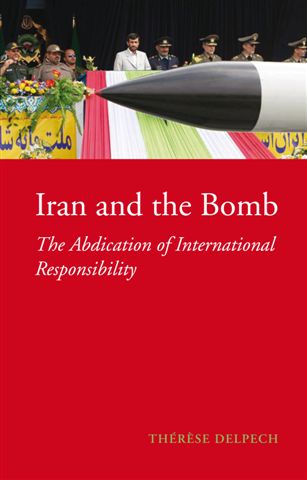
Iran and the Bomb: The Abdication of International Responsibility
Abstract: The international community has received Iran’s efforts to acquire nuclear weapons with great concern since it perceives that such acquisition will lead to dangerous instability in the Gulf region and beyond. There is concern that some countries such as Egypt, Saudi Arabia and Turkey may be tempted to match Iran at least by acquiring similar nuclear fuel production technologies, while other powers may be tempted to strike militarily at Iran...
Development of the Study of Civil Societies in the GCC States
Though civil society emerged in the GCC only a few years ago, it has attracted noticeable attention from researchers as well as scholars, due to the developments the countries in question underwent towards the end of the twentieth century. This book aims to analyze the significant stages in the emergence of civil society in the GCC as well as the most prominent features that characterize it in the context of the Arabic and English literature on the subject. From a theoretical perspective, the book tries to define and understand the meaning of civil society as well as the way it influences the governmental system and the role it plays in growth, democratic transformation, and political reform.
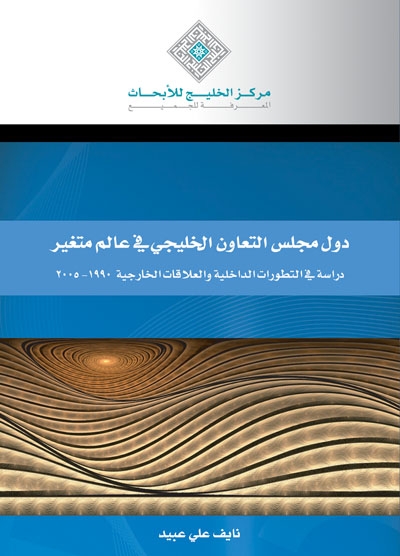
The GCC States in a Changing World: Internal Developments and Foreign Relations, 1990-2005
Since the nineties of the 20th century, the world has witnessed huge strategic, political, economic and scientific changes, which have left their impact on the regional and sub-regional systems in general, and the Gulf region in particular. This region has already witnessed two regional wars, the occupation of an Arab country, as well as social transformations as a result of the economic boom, scientific achievement and external influences. This book aims to analyze the consequences of these international, regional and domestic changes on the Gulf system. In a changing international environment, and with unstable regional and domestically ambiguous conditions, what is the political, economic and social role of the GCC states and what future do they have? In order to deal with the real challenges facing the GCC states as a result of external pressures and increasing domestic demands, the book concludes that the GCC really needs a sort of federal or confederal system, as well as additional political, economic andsocial development, to cope with the international, regional and domestic changes and play an active role in the international system, and so that their citizens achieve the stability, progress and prosperity they aspire for.
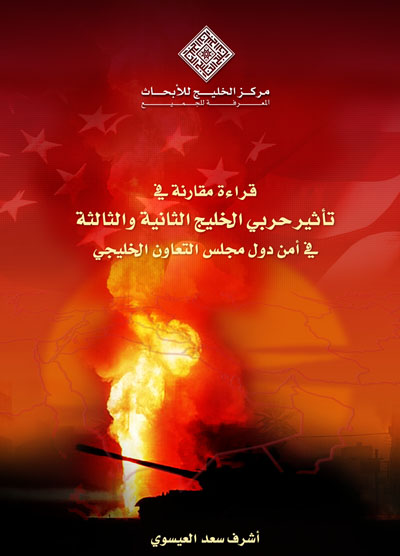
Ramifications of the Second and Third Gulf Wars on the Security of the GCC States A Comparative Study
This book attempts to analyze the ramifications of the Second and Third Gulf Wars for the security of the GCC states between 1990-2007, by examining various aspects such as the nature of the security challenges, the means and methods of facing these challenges including the defense policies, security strategies and the regional security structure in the Gulf region which emerged during these two wars. The book concludes that the Third Gulf War had the more dangerous security ramifications for the region, because it intensified the challenges faced by the GCC states, both internally – extremism and terrorism – and externally from the regional environment (the unstable chaotic situation in Iraq, the Iranian nuclear program, the unsuccessful effort to settle the Arab-Israel conflict and the tense situation in Lebanon, Sudan and Somalia, as well as the international environment which brought into existence new challenges linked to the US strategy which seeks to restructure the region and impose reforms on the GCC states). As for the way the GCC states reacted to these wars, it seems that their response to the Third War was more sophisticated than it was during the Second, mainly because they had to comply with a domestic, regional and international ambiguous environment. The book concludes that the new regional security structure does not only contradict the interests of the GCC states, but also puts their security at a crossroads.
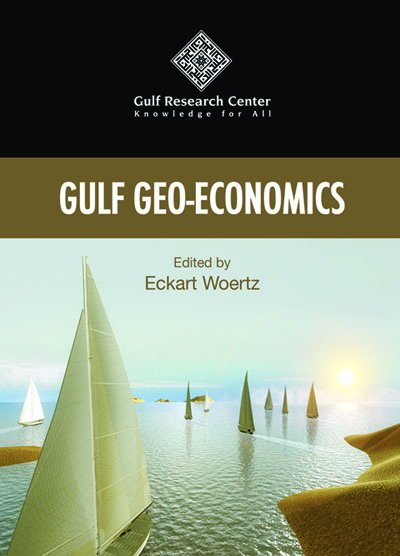
Gulf Geo-Economics
The integration of the Gulf Cooperation Council (GCC) countries into the world economy is increasingly multifaceted. Although oil and gas revenues are still of paramount importance, the GCC countries have developed a diversified economic structure with new sectors emerging in the fields of petrochemicals, heavy industries and services. Apart from new import requirements for these industries, the focus of the GCC’s trading relations has moved eastwards. The US only accounts for 10 percent of imports nowadays while the European Union and Asia each roughly contribute one third of overall imports. Furthermore, Asia purchases about two-thirds of GCC energy exports. This has naturally raised questions about potential political realignments although Asia still lags far behind Western markets in terms of cross border investments. Through broad-based strategic analyses and specific sector studies, this edited volume covers various aspects of this ongoing geo-economic positioning, from trade relations, power politics and petrodollar recycling to regional integration, foreign direct investment and labor issues.
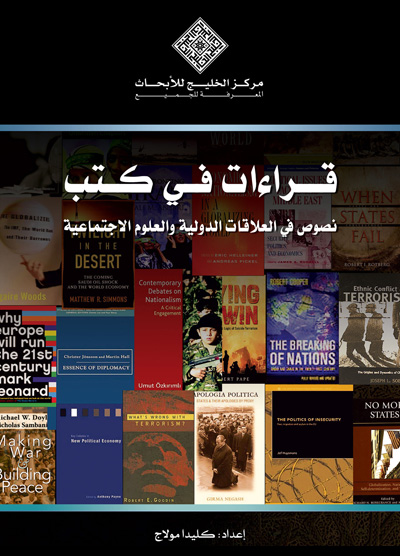
Book Reviews (In International Relations and Social Sciences)
This book includes concise reviews of important works that have been published recently, which cover issues in political, strategic, economic and social aspects of International Relations. The book is organized around four main parts. The first part includes reviews of six books including: “New Political Economy”, edited by Anthony Payne, “When States Fail” edited by Robert Rotberg, and “The Breaking of Nations” by Robert Cooper. The second part consists of eight book reviews which cover core themes of International Relations including: “Trust and Mistrust in International Relations” by Andrew Kydd and “Apoligia Politica” by Girma Negash. The third part of the book covers issues of globalization and the impact of globalization on human societies. The fourth part, which comprises nine book reviews, considers aspects of relations between the Middle East and Europe.
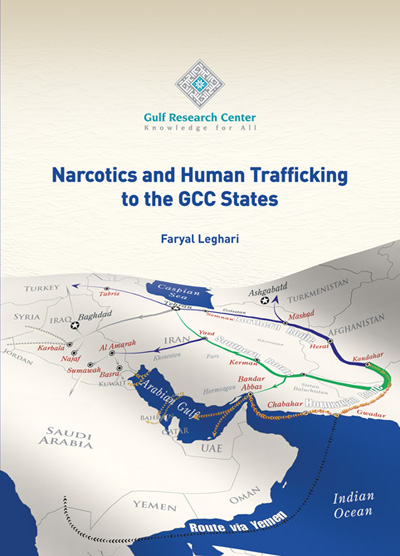
Narcotics and Human Trafficking to the GCC States
Abstract: The geo-strategic location of the GCC States at the crossroads of Asia, Europe and Africa, though advantageous in many ways, exposes them to several disadvantages as well. These states are particularly vulnerable to organized crime syndicates that monopolize narcotics and human trafficking operations, the second and third largest organized crime activities after arms smuggling. The Gulf States are being used as the main transit zone for Afghan narcotics being smuggled to the West and are facing an increasing domestic drug abuse problem. In addition to this, the GCC region is exposed to the growing threat of human trafficking which affects an estimated 700,000-2,000,000 people per year as they are trafficked across state boundaries. There is a misconception that human trafficking is restricted to helpless women and children, but even men are subjected to it. Akin to modern day slavery, human trafficking also includes forced labor and sexual exploitation. Existing counter-trafficking measures, both regional and global, have several shortcomings. In view of the serious security threats posed by narcotics and human trafficking, the GCC states have taken significant measures which are expected to act as an effective deterrent. This study reviews both human and narcotics trafficking in the GCC, and assesses the measures taken at the state and regional levels. It is imperative for the leadership in these states to grasp the extent of this crisis and plan for the negative fallout they are likely to face. The GCC States need to chalk out a strategy at the regional level to address the resulting security implications.
Youth and Environment Research
he Gulf region has witnessed rapid socio-economic transformation in the last few decades. These changes have resulted in unprecedented pressures on the environment and natural resources in the Gulf region. To bring about change in any sphere, it is necessary to influence the thinking and action of every section of society. It is, therefore, extremely essential that the youth of today understand, assimilate and demand answers to crucial environmental issues which affect their present, and will drastically impact their future as well. This book contains 10 student papers which were chosen by an international panel of experts based on the abstracts received from university students in the UAE and presented at the Youth Conference on Environment, "Green Gulf: Threats, Challenges and Solutions," organized by the Gulf Research Center, Dubai and TERI (The Energy and Resources Institute), New Delhi in association with American University of Sharjah.
Discovering the Arabian Gulf: Canada's Evolving Ties with the GCC States
Available literature on the Gulf states’ foreign relations has been saturated with discussions of the political and economic relationship between the region and the United States. However, despite the increasing presence of its citizens in the region, nothing has been written on the growing relationship between the US’ neighbor to the north, Canada, and the Gulf region. Robert Bookmiller details the evolution of Canadian foreign policy in the area, with the aim of filling the gap in literature on the subject. Set against the backdrop of the Arab-Israeli conflict, the oil crisis of the 1970s and the three Gulf Wars, he weaves a history of the establishment of diplomatic ties, the strengthening of economic ties and the discovery of cultural bonds between two entities that have until now been considered entirely unrelated. Through his discussion of policy shifts, watershed events and burgeoning immigration, the author provides insight into Canada’s diplomatic process and ultimately tackles the issue of how to improve relations with a region in which personalities, politics and culture often perplex even the most agile diplomats.
International Energy Outlook 2006
The International Energy Outlook 2006 (IEO 2006) covers international energy projection through 2030, including the word trends in energy demand and consumption in the various residential, commercial, industrial and transportation sectors. The IEO 2006 also discerns the trends of developing non- renewable sources of energy including oil, natural gas and coal, as well as the renewable sources such as the nuclear power, hydropower and solar power. The IEO 2006 also covers the adverse effects on the environment due to the global carbon dioxide emissions. The information on the world energy markets is very important to governments, international agencies, decision makers and researchers. The IEO is prepared by the US Energy Information Administration (EIA) and is translated and published in Arabic by the Gulf Research Center

E-Learning in Social Sciences and Humanities
This book is a compendium of the papers presented at the Social Sciences and Humanities Forum 2005, which addressed "E-Learning in Social Sciences and Humanities" and was organized by the Gulf Research Center in partnership with the Arab Bureau of Education for the Gulf States. The papers address the three principal areas of focus of the Forum: identifying and discussing outstanding e-learning technologies and methods that prevail in international higher educational institutions in the fields of the social sciences and humanities; understanding current conditions in higher education in the fields of social sciences and humanities in the GCC states as they relate to the use of e-learning technologies and methods; and deliberating appropriate ways and means of expanding the use of e-learning technologies and methods in higher education, particularly in social sciences and humanities, in the GCC states.
Defense and Regional Security in the Arabian Peninsula and Gulf States, 1973-2004 (An Annotated Bibliography)
This is the most extensive annotated bibliography on the subject of Gulf security available. More than 2200 entries cover such subjects as oil security; the Iran-Iraq War; the Iraqi invasion of Kuwait and subsequent Kuwait War; post-1991 policy towards Iraq and the Iraq War; and the involvement of the United States, Soviet Union/Russia, Europe, and China in the Gulf, including their bilateral relations with the Gulf states. Regional disputes and bilateral relations between littoral states are examined, as well as regional responses to security issues. The final section comprises coverage of internal aspects of Gulf security, including resurgent Islamists, Gulf military capabilities and arms transfers, and sections on each of the Gulf states. The text is accompanied by a comprehensive index of personal names and institutions.
Green Gulf Report
The Gulf region has witnessed rapid socio-economic transformation in the last few decades. These changes have resulted in un-precedented pressures on the natural resources and rich terrestrial and marine biodiversity of the region, compounding the stress caused by naturally arid conditions. However, the governments of the Gulf countries have become increasingly conscious of the damage to their natural resources and the remedial measures required to arrest and reverse any adverse trends. This report aims to document the state of the environment and natural resources in the Gulf Cooperation Council countries, namely, Bahrain, Kuwait, Oman, Qatar, Saudi Arabia and the United Arab Emirates. It covers issues related to land resources and terrestrial biodiversity, the coastal environment, and marine biodiversity, water resources, air quality and solid waste management, and seeks to answer the following questions: - What are the trends in the state of the environment and natural resources? - What are the major natural, social and economic drivers of these trends? - What major initiatives have been taken to address these issues, and how can these be strengthened further?
The Gulf Regional Order
The Gulf Regional Order is made up of seven Arab countries; they include Iraq, Kuwait, Saudi Arabia, Bahrain, Qatar, United Arab Emirates, Oman, in addition to one non-Arab state which is Iran. These eight neighboring Arabian Gulf littoral states, make a unique regional political entity in their external ties and interactions with their immediate environment and beyond. However, despite the vital importance of this region, the outside world knows only quite little about the transformations and successive developments that are currently taking place at all levels within this Gulf Regional Order. This book is an attempt to describe the Gulf Regional Order, the capabilities of its member states, and especially its huge oil and natural resources. Also, the book gives a detailed account of the direct and inherent causes of the recurring conflicts and tensions that took place within the Gulf Regional Order. This region has so far seen three devastating wars during the last thirty years or so; it might as well be on its way towards a fourth one as a result of the growing confrontation between Iran on one side, and the international community on the other side, over the controversial issue of Iranian nuclear program. As the Gulf Regional Order can not be conceived in a vacuum, and considering the fact that it is at the heart of the contemporary transformation processes taking place at the regional and global levels, the book reviews the interrelationship between the Gulf Regional Order and the Arab Regional Order, which constitutes its wider cultural context. The book contains a detailed look at the relationship between this regional order and the United States of America, which is currently occupying one of its constituent States, while being in a virtual state of confrontation with another, and enjoying more influence than ever in regional Gulf affairs.
Gulf States: Country Reports to the UN Security Council Committees for Countering Terrorism
The early transformation in the international community's stance toward the fundamental developments in the nature of terrorist activities, and the ensuing changes in the strategies of the various organizations sponsoring terrorism, appeared during the last quarter of the 1990s. This transformation was in the form of a major shift from the purely domestic nature of terrorist activities to the new trend of "globalization of terrorism". The initial reaction by the international community towards this shift was the unanimous adoption by the UN Security Council of a series of resolutions on countering terrorism. The ultimate goal was to establish a unified international position on the fight against global terrorism. Since 1999, the UN Security Council adopted a set of resolutions that led to the formation of three major committees whose mandate has been limited to the primary task of taking the necessary measures to counter terrorism at the international level. At the same time, the UN Member states have been given the right to ask for technical assistance from the international community to enable them fulfill their international obligations in this field. That is why country reports have been so designed to become the basic source of reference for monitoring country records in this respect.
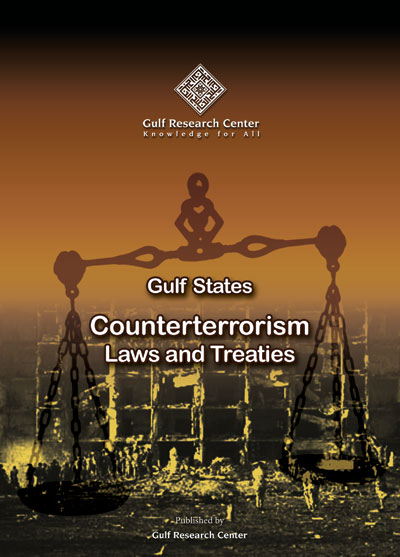
Gulf States: Counterterrorism - Laws and Treaties
Abstract: The task of combating the threat of terrorism is one of paramount importance to the collective security of the Gulf region. In light of the importance of this subject, all the counter-terrorism legislation that has been produced in the GCC countries over the last year has been translated into English for the first time by the Gulf Research Center. The value of this kind of publication and the interest in these laws and treaties are no longer confined to local legal panels in each state but now have a much wider readership and use. The importance of national counter-terrorism legislation is directly linked to the global nature of the task of combating the threat of terrorism which has emerged as an international obligation through several UN Security Council Resolutions. Indeed, the wide and extended powers granted in these counter terrorism laws to the security and legal institutions of each state render them extraordinary legislation with a potentially remarkable impact on individual lives. Terrorism charges can now be directed against any individual, and are no longer restricted to the citizens of the concerned states only. In fact any individual can now be arrested and questioned in many, if not all, parts of the world, accused of terrorist activities in disregard to his nationality or his legal status. Thus these specific kinds of laws now form an integral part of the international legal framework. This publication is concerned with two regional aspects of counter-terrorism legislation. Part one contains the national counter – terrorism laws already enacted and now enforced in certain Gulf states, as in the case of the state of Qatar, the United Arab Emirates , and Iraq, or draft laws now under consideration as in the case of the Kingdom of Bahrain's draft law. Part two lists the full text of regional - or regionally applied treaties which are specifically designed to deal with the new phenomenon of inter-state or non-state terrorist activities with the ultimate aim of establishing an effective system of cooperation and coordination on the regional level. This includes the Gulf Cooperation Council counter- terrorism treaty, The Arab League, and the Islamic Conference Organization.
Youth and Environment Research
The Gulf region has witnessed rapid socio-economic transformation in the last few decades. These changes have resulted in unprecedented pressures on the environment and natural resources in the Gulf region. To bring about change in any sphere, it is necessary to influence the thinking and action of every section of society. It is, therefore, extremely essential that the youth of today understand, assimilate and demand answers to crucial environmental issues which affect their present, and will drastically impact their future as well. This book contains 10 student papers which were chosen by an international panel of experts based on the abstracts received from university students in the UAE and presented at the Youth Conference on Environment, "Green Gulf: Threats, Challenges and Solutions," organized by the Gulf Research Center, Dubai and TERI (The Energy and Resources Institute), New Delhi in association with American University of Sharjah.
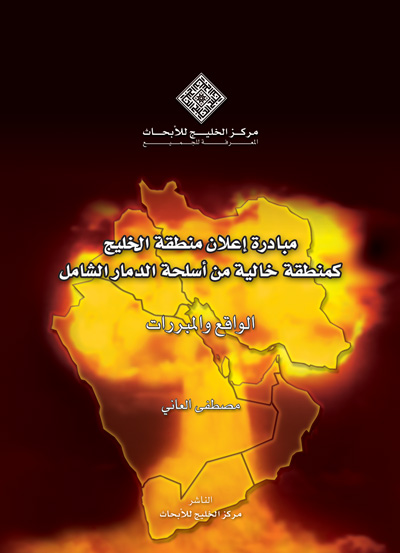
The Case for a Weapon of Mass Destruction Free Zone in the Gulf (GWMDFZ)
The threat of the possible proliferation of weapons of mass destruction (WMDS) is a challenge facing the six GCC states. However, the real use of WMDS (nuclear, chemical and biological) is a rare incident in regional and international conflicts. Registered cases in which these weapons were used in battle zones, have proved the lethal impact of these horrible weapons, and their propensity to inflict random destruction and mass killing of civilian populations, failing to differentiate between combat personnel and innocent civilians. In addition, these weapons bring devastating damages for the environment in the long range. This was clearly demonstrated by a dozen of cases of incidental leakages, spills or sudden explosions in facilities manufacturing weapons of mass destruction. Today, areas which have been declared as nuclear-free zones represent almost half the size of the globe. Countries that have already signed the non-proliferation treaty (NPT) have reached 113 members of the United Nations, representing four populous geographical blocs, whose leaders were wise enough to take courageous steps of compromises, forgo narrow interests and reach an international agreement to declare their regions as nuclear – free zones. This book is an attempt to explore the possibilities of building upon the successful experiences of other nations in the field of nuclear – free zones, and work out a framework by which the Gulf region, in its wider geopolitical sense of nine countries, could be made a nuclear – free zone, and a region that is totally free of the lethal weapons of mass destruction.
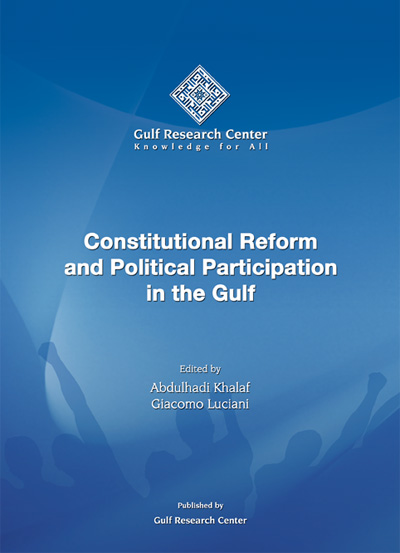
Constitutional Reform and Political Participation in the Gulf
This collection of ten essays adds a new and original perspective to the debate on political reform in the Gulf countries which has intensified in recent years. Rather than couching the issue in the more frequently heard terms of authoritarianism vs. democratization, the book focuses on the evolution of Gulf constitutions and on the widening of political participation. It is shown that constitutional reforms have served the purpose of consolidating the absolute power of the rulers, but have also allowed the progressive development of institutions whose representative character and influence on the policy making process has been growing. Political participation has considerably widened, partly thanks to these new or strengthened institutions, but even more so because of the increased access to information and freedom of expression brought about by the ICT revolution. None of the Gulf regimes is democratic, and a long evolution might be necessary before they deserve to be recognized as such. Nevertheless, real change is taking place, and prospects for political reform in the Gulf may be better than in the rest of the Arab world.
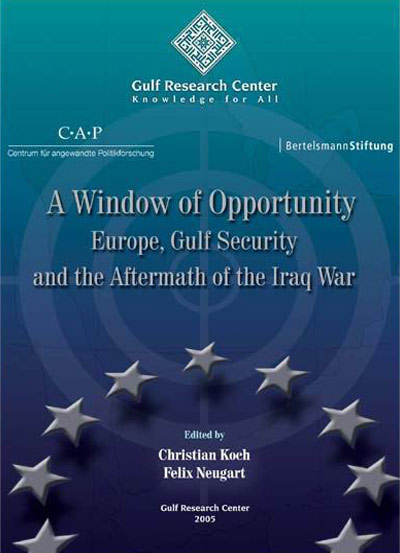
A Window of Opportunity Europe, Gulf Security and the Aftermath of the Iraq War
During a two-day workshop held in November 2004, the Gulf Research Center (GRC) and the Bertelsmann Foundation of Germany explored the possibility of a greater engagement by the European Union in future Gulf security arrangements. Under the title of “A New Window of Opportunity?: Europe, Gulf Security and the Aftermath of the Iraq War,” over 30 specialists including representatives from all the GCC members states and numerous European Union countries met to discuss the impact of the Iraq War on the current security situation in the region and to outline the steps that can by taken by the EU to alleviate the resulting challenges. The papers from that workshop elaborated upon a number of central themes including the security prerogatives of the Gulf States, the current situation in both Iraq and Iran, the applicability of various security models for the region and the possibility of expanding the GCC-EU political dialogue on security matters. Specific emphasis was given to the notion that the Gulf region could benefit from the European integration process and that by looking at how Europe was able to overcome the historical differences among its member states, the Gulf States themselves could begin to draw necessary lessons and apply them within the region. Both the workshop and the papers stressed the need for a more inclusionary security system in the Gulf whereby all the states can interact more regularly in a systematic manner to discuss security concerns. What is required at this stage is the beginning of a process whereby existing threat perceptions are reduced and confidence-building measures are put into place that can serve as the foundation for a future security architecture. In that context, it is the EU that is particularly well placed to take on the role of honest broker due to the fact that it maintains a regular dialogue with all regional states
Book on Social Sciences and Humanities in the Gulf
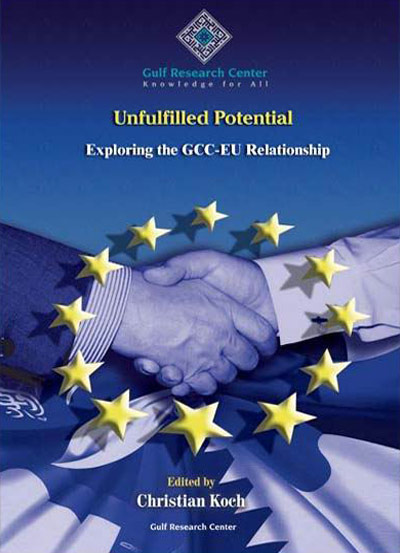
Unfulfilled Potential: Exploring the GCC-EU Relationship
Gulf-Europe relations are characterized by a certain dichotomy. While economic ties have been steadily growing and the relationship has taken on a political dimension in the first years of the 21st century, the potential of that relationship has not been fulfilled with the result that there have more obstacles and setbacks than overall advances. The current status of GCC-EU relations thus stands in contrast to the historical, geopolitical and strategic considerations and interdependence that should lie at the heart of the relationship. In order to overcome this dichotomy and in light of current critical regional developments and an increased emphasis on the relationship between the Gulf Cooperation Council (GCC) States and the member countries of the European Union (EU), the Gulf Research Center (GRC) held a two-day workshop in January 2004 entitled ‘The EU Role in the Gulf region’. The main objective of the event was to shed some analytical light on Europe’s role in the Gulf region in an attempt to understand the existing problem areas and to propose alternative strategies to move the relationship forward. The collection of papers provided for in this volume looks at some of the key facets that play a role in current debates. Starting from a historical perspective, the book contains a Gulf view of the relationship with Europe as well as the factors of the Iraq War of 2003 and US policy and what impact this has had on the overall direction of ties. Ultimately, the tentative conclusion that is reached is that the key to achieving the aspirations of the Gulf and European peoples lies in the political will of both sides to bridge the chasm that has led their mutual ties to stretch and distort from being proactive to reactive, rather than the other way around.
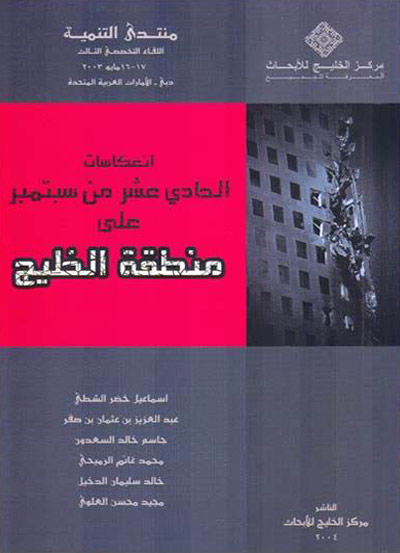
Ramifications of 11th September Events on the Arab Gulf Region
Aware of the crucial importance of the tragic events that occurred on September 11, 2001, the Development Forum convened a special meeting in May 2002 that was devoted to discussing the major political, economic and social ramifications of the events for the GCC States. The six papers delivered at the forum, together with the recommendations propounded, make up the bulk of this book. A notable theme that runs throughout the book has to do with the relation between the September 11 events and the political, economic and cultural conditions in the Gulf region. The book is composed of an introduction followed by ten chapters that comprehensively cover the debates held at the forum. The six papers presented at the forum were as follows: • ‘The Political Impact of 11th September Events on the Gulf Region’ by Dr. Majeed Al-Alawi. • ‘ Political and Cultural Ramifications of 11th September Events for the Arabian Peninsula and the Gulf Regions’ by Dr Khaleel Al-Dakheel. • ‘ Strategic Challenges in the Post-September 11 Events’ by Dr. Ismael Al-Shatti. • ‘ The Gulf Region and the Events of September 11, 2001: A View on the Cultural Dimension’ by Dr. Mohamed Ghanem Ar-Rmihi. • ‘ The Events of September 11 and their Ramifications for the Gulf Region’ by Mr. Khalid Jassem Al-Sa’dun. • ‘ The September 11 Events and their Economic Ramifications for the GCC States’ by Mr. AbdulAziz O. Sager. Participants at the forum strove hard not only to shed light on the various and wide-ranging implications emanating from the events of September 11, but they also put forth a set of recommendations and feasible proposals in a bid to efficiently confront the ramifications of the events in such ways as to secure the interests of the Gulf region and its people
The Strategic Dimension of Knowledge
Setting out from a historical-inductive perspective, the book seeks to trace landmark phases in the development of human knowledge by pinpointing its main aspects and highlighting the current boom in the filed of knowledge and the major transformations that have molded it. The author tries to spotlight the outstanding role knowledge assumes in the world today as a lever on which the global balance of power hinges as well as the changes affecting that balance. To be sure, critical changes have unfolded in the aftermath of the Second World War, embodied by the rise of US power at the expense of traditional colonial powers. Within a predictive mindset, the author explores the horizons of the evolution of knowledge and its impact on the different possible tracks along which future clashes might unravel and the way future developments might determine the character and scope of what is known as the electronic war.

Unsecured Routes, The potential targeting of Oil Cargos and Gas Pipelines by Radical Islamist Movements.
Security-wise, the process of exporting oil is rife with complications and hazards. This is especially true today in light of the marked intensification of terrorist acts across the world and the greater ability of terrorists to deal devastating blows to their selected targets. Pipelines carrying oil are spread through vast deserts and giant container ships which sail through tight straits and routes, a fact that exposes them to possible sabotage operations. The book discusses the different types of dangers and threats that loom over the process of transporting oil from fields of extraction and production to ports of export and consumption. The book sets forth the manifold factors that determine the standards adopted and applied to the transportation of oil and natural gas throughout the world. In parallel, the book examines and analyzes the role of radicals and fundamentalists in exasperate fearful concerns over damages against the international economy, a possibility that might have cataclysmic and unprecedented implications for the entire globe.
Engaging Iran: Australian and Canadian Relations with the Islamic Republic
Engaging Iran is the first comprehensive study of Australian and Canadian economic and political relations with Iran. Based on archival research and extensive interviews with diplomats and policymakers, Robert Bookmiller traces the development of these ties from the 1950s through the present day. This work presents an often overlooked aspect of the West’s interaction with the Islamic Republic as most scholarly and popular attention has focused upon American and European Union approaches. With recent international attention drawn to Iran’s nuclear ambitions, decisions made by the US or the EU have considerable political and economic implications for Canberra and Ottawa. Through his discussion of the bilateral and multilateral contacts between the three states (including a chapter on Iran and the nuclear question), the author provides insights into the complex relationships which, despite pressures from their close allies, has had Australia and Canada assume more nuanced diplomatic and economic policies toward Iran than either the US or EU.