Publications List

GCC & Sub-Saharan African Countries Relations and Opportunities
In the shadow of global and geopolitical pressures, members of the Gulf Cooperation Council- Bahrain, Kuwait, Oman, Qatar, Saudi Arabia, and the United Arab Emiratesembarked on a strategy of economic diversification from oil and reduced reliance on food imports with a focus on Africa. Although Sub-Saharan African countries face several development challenges, ranging from agriculture, infrastructure, and energy, the surfeit of arable land and mineral and energy resources fosters an ample investment climate.
In the shadow of global and geopolitical pressures, members of the Gulf Cooperation Council- Bahrain, Kuwait, Oman, Qatar, Saudi Arabia, and the United Arab Emiratesembarked on a strategy of economic diversification from oil and reduced reliance on food imports with a focus on Africa. Although Sub-Saharan African countries face several development challenges, ranging from agriculture, infrastructure, and energy, the surfeit of arable land and mineral and energy resources fosters an ample investment climate.Member States of the GCC have aided Sub-Saharan economies and governments on several fronts, serving as mediators in times of political impasse, investors in economic development, and allies in precarious security situations. Firstly, the report delineates essential African economic sectors in need of development and the breadth of collaboration with the GCC to realize several goals. Secondly, the country profiles contextualize the respective economic outlooks, trade agreements, and idiosyncratic synergies between Arabian Gulf monarchies and Sub-Saharan countries. Lastly, the report offers a comprehensive guide to the partnership’s possibilities.GCC States aspire to address mutual needs and build upon long-standing relationships informed by the cultural and geographic proximity to Africa. To date, GCC-led investments exceed 100 billion USD, support human capital development, bolster multilateral trade, and increase output in underdeveloped sectors.
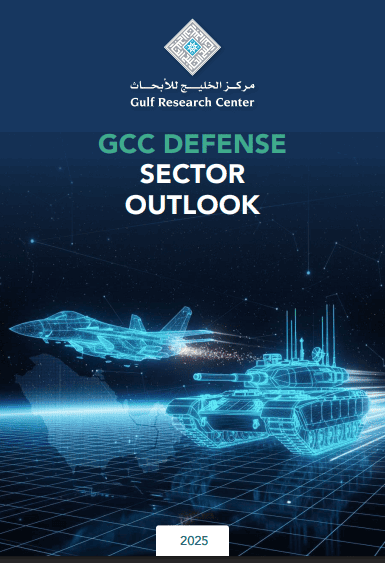
GCC Defendse Sector Outlook
The defense sectors of the Kingdom of Saudi Arabia (KSA) and the United Arab Emirates (UAE), including aviation and aerospace, are undergoing a significant transformation driven by strategic national visions, technological innovation, and increasing regional security demands. Both countries are focused on diversifying their economies, achieving defense self-reliance, and advancing indigenous capabilities through investments in emerging technologies such as artificial intelligence, autonomous systems, cyber security, and space technologies.
The defense sectors of the Kingdom of Saudi Arabia (KSA) and the United Arab Emirates (UAE), including aviation and aerospace, are undergoing a significant transformation driven by strategic national visions, technological innovation, and increasing regional security demands. Both countries are focused on diversifying their economies, achieving defense self-reliance, and advancing indigenous capabilities through investments in emerging technologies such as artificial intelligence, autonomous systems, cyber security, and space technologies. Saudi Arabia’s defense spending reached approximately US$ 78 billion in 2025, while the UAE’s defense spending amounted to around US$ 1.77 billion. The UAE aims to increase the share of domestic defense spending from 10% to 30% of total defense expenditure by 2030. Localization of military spending in Saudi Arabia reached 24.89% by the end of 2024, with a target to localize more than 50% of spending on defense equipment and services by 2030, supported by 311 licensed companies in the military industries sector in the end of 2024. Both Saudi Arabia’s General Authority for Military Industries (GAMI) and the UAE’s Tawazun Council are leading programs focused on upskilling national talent, supporting research and development, and strengthening strategic international partnerships. Challenges such as the need to bridge talent gaps, streamline regulatory frameworks, and develop resilient supply chains capable of supporting sophisticated defense platforms that remain in the market. Cybersecurity and space defense capabilities are emerging priorities in the face of evolving threats. However, the defense outlook for KSA and the UAE is positive, with strategic focus areas including enhanced indigenous innovation, expanded regional and global partnerships, and sustained investments in human capital and infrastructure. These efforts will enhance national security and contribute significantly to economic diversification and regional leadership in defense technologies.
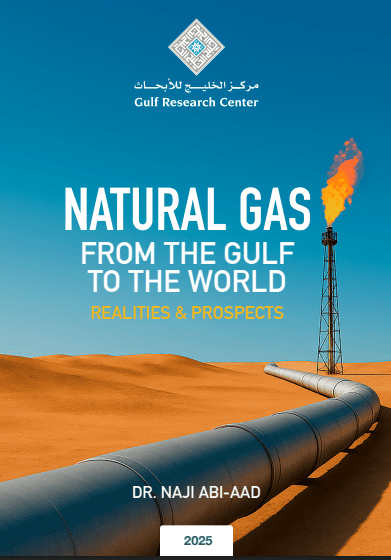
Natural Gas from the Gulf to the World - Realities & Prospects -
For the next few decades, it appears that natural gas will be among the winners in terms of its share in the market of primary energy sources and to play the role of transitional fuel on the road towards sustainable development which has been, and is likely to remain, a key issue on the agendas of the world’s decision makers for the foreseeable future. This presents a historic opportunity for the global gas industry, both in terms of meeting the growing energy demand in the coming decades and living up to the expectation that natural gas is clean, safe, and reliable, and thus the transition fuel par excellence.
For the next few decades, it appears that natural gas will be among the winners in terms of its share in the market of primary energy sources and to play the role of transitional fuel on the road towards sustainable development which has been, and is likely to remain, a key issue on the agendas of the world’s decision makers for the foreseeable future. This presents a historic opportunity for the global gas industry, both in terms of meeting the growing energy demand in the coming decades and living up to the expectation that natural gas is clean, safe, and reliable, and thus the transition fuel par excellence.The Gulf contains huge quantities of proven natural gas reserves, estimated at the beginning of 2024 to be at an aggregate figure of about 82,173 billion cubic meters (bcm). That accounts for more than 40 percent of the world’s total, while the region’s population represents less than 4 percent of the globe. In 2023, the average gas reserves-to-population ratio in the Gulf was high, covering around 120 years compared to a global average of some 51 years.In addition to its huge conventional gas reserves, the Gulf has large resources of unconventional gas (including coal-bed methane, tight gas, and especially shale gas), estimated at 7% of the world’s total.Considering the enormous gas potential of the Gulf, little has been done so far to exploit its reserves. Gulf gas production pales in comparison to the region’s reserves and potential, with gas output in the area representing around 17% of the world’s total in 2023.The report “Natural Gas: From the Gulf to the World” focuses on several key areas, most notably:Natural Gas & the Global Energy Transition Process Natural Gas Reserves & Resources in the Gulf Natural Gas Production in the Gulf Natural Gas Consumption in the Gulf, Challenges Facing Gulf Gas Exporting Countries Natural Gas Exports from the Gulf, Future and Challenges
Gulf Research Center 2025 Annual Strategic Survey
Up to its mid-point, the year 2025 has highlighted, more than any previous year, the Gulf region’s persistent precarious security situation. The Israeli and American airstrikes on Iranian nuclear and ballistic missile sites in June 2025 triggered reciprocation including Iranian missile launches at U.S. facilities located on Qatar’s sovereign territory and renewed threats to close the Strait of Hormuz. While a ceasefire brought the Twelve- Day War to an end, the issues that initiated the conflict in the fist place remain unsolved. The imminence of a renewed outbreak of violence should therefore not be discounted.
Up to its mid-point, the year 2025 has highlighted, more than any previous year, the Gulf region’s persistent precarious security situation. The Israeli and American airstrikes on Iranian nuclear and ballistic missile sites in June 2025 triggered reciprocation including Iranian missile launches at U.S. facilities located on Qatar’s sovereign territory and renewed threats to close the Strait of Hormuz. While a ceasefire brought the Twelve- Day War to an end, the issues that initiated the conflict in the fist place remain unsolved. The imminence of a renewed outbreak of violence should therefore not be discounted.
Gulf Research Center’s Gulf-Europe Research Program
In July 2004, the Gulf Research Center established a dedicated research program on relations between the member states of the Gulf Cooperation Council (GCC) and the European Union (EU) in order to provide a framework for understanding, researching, and analyzing the growing and increasingly diversifying ties between these two important regions.
In July 2004, the Gulf Research Center established a dedicated research program on relations between the member states of the Gulf Cooperation Council (GCC) and the European Union (EU) in order to provide a framework for understanding, researching, and analyzing the growing and increasingly diversifying ties between these two important regions.
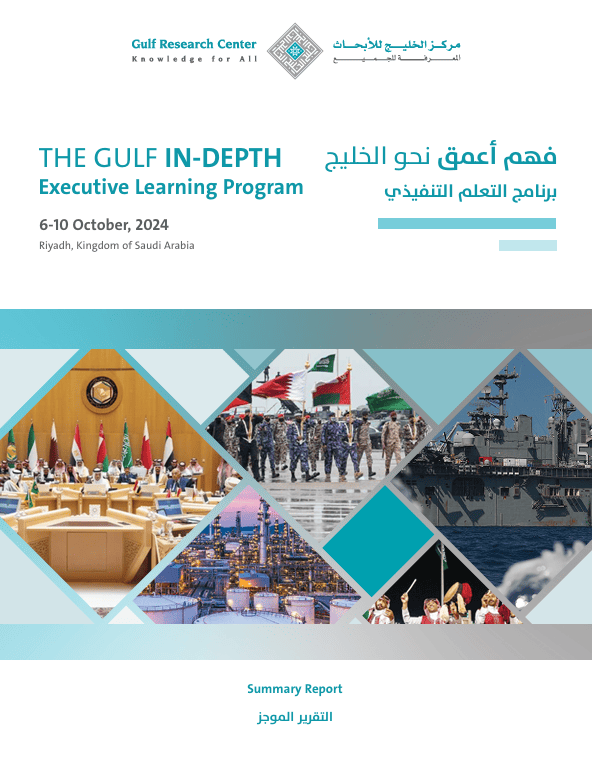
THE GULF IN-DEPTH Summary Report
The Gulf In-Depth Executive Learning Program (GID) took place from October 6 to 10 in Riyadh at the Gulf Research Center’s office, bringing together 20 participants from 18 different countries. This week-long program aimed to deepen participants’ understanding of the key strategic aspects shaping the Arabian Gulf and its global interactions. It facilitated comprehensive discussions on the dynamic transformations occurring within the Gulf region, emphasizing the importance of regional cooperation and the evolving geopolitical landscape.
The Gulf In-Depth Executive Learning Program (GID) took place from October 6 to 10 in Riyadh at the Gulf Research Center’s office, bringing together 20 participants from 18 different countries. This week-long program aimed to deepen participants’ understanding of the key strategic aspects shaping the Arabian Gulf and its global interactions. It facilitated comprehensive discussions on the dynamic transformations occurring within the Gulf region, emphasizing the importance of regional cooperation and the evolving geopolitical landscape.
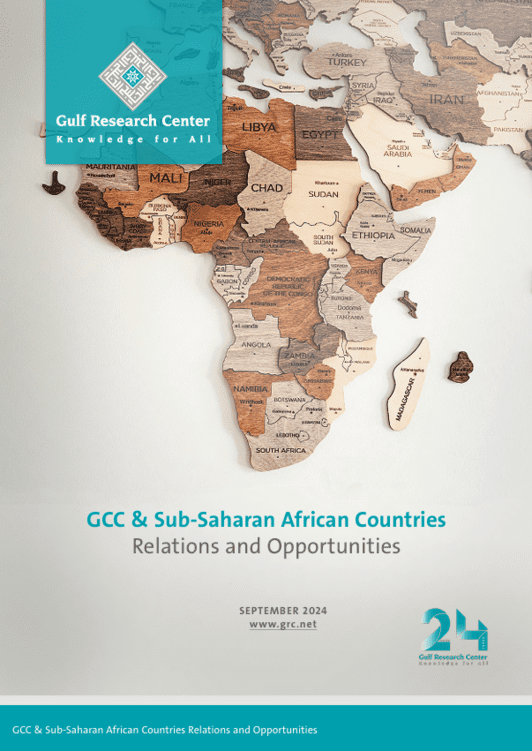
GCC & Sub-Saharan African Countries Relations and Opportunities
In the shadow of global and geopolitical pressures, members of the Gulf Corporation Council- Bahrain, Kuwait, Oman, Qatar, Saudi Arabia, and the United Arab Emiratesembarked on a strategy of economic diversification from oil and reduced reliance on food imports with a focus on Africa.
In the shadow of global and geopolitical pressures, members of the Gulf Corporation Council- Bahrain, Kuwait, Oman, Qatar, Saudi Arabia, and the United Arab Emiratesembarked on a strategy of economic diversification from oil and reduced reliance on food imports with a focus on Africa. Although Sub-Saharan African countries face several development challenges ranging from agriculture, infrastructure, and energy, the surfeit of arable land, mineral and energy resources foster an ample investment climate.

GCC and Swiss Economic Outlook
The economic landscapes of the Gulf Cooperation Council (GCC) countries and Switzerland, though geographically distant, share a tapestry of unique strengths that present a compelling story of potential collaboration.
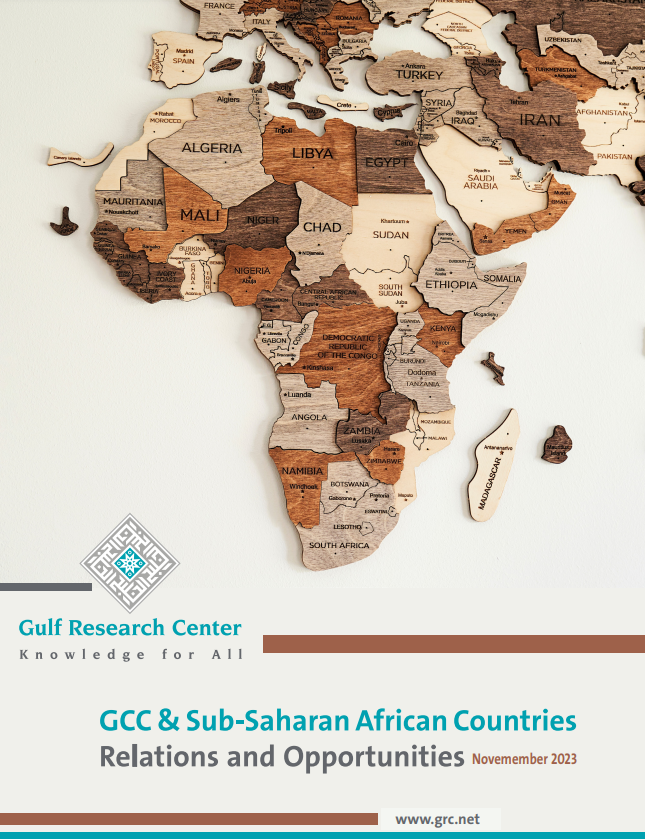
GCC & Sub-Saharan African Countries Relations and Opportunities
In the shadow of global and geopolitical pressures, members of the Gulf Corporation Council- Bahrain, Kuwait, Oman, Qatar, Saudi Arabia, and the United Arab Emirates- embarked on a strategy of economic diversification from oil and reduced reliance on food imports. Sub-Saharan African countries face several development challenges ranging from agriculture, infrastructure, and energy, which fosters an ample investment climate.Member States of the GCC have aided Sub-Saharan economies and governments on several fronts as mediators in times of political impasse, as investors for economic development and as allies in precarious security situations. Firstly, the report delineates essential African economic sectors needing development and the breadth of collaboration with the GCC to realise several goals. Secondly, the country profiles contextualise respective economic outlooks, trade agreements and idiosyncratic synergies between Persian Gulf monarchies and Sub-Saharan countries. Lastly, the report offers a comprehensive guide to the partnership’s possibilities.GCC States aspire to address mutual needs and build upon long-standing relationships informed by the cultural and geographic proximity to Africa. To date, GCC-led investments exceed 100 billion USD, support human capital development, bolster multilateral trade, and increase output in underdeveloped sectors.

GCC & Sub-Saharan African Countries Opportunities
The report highlights the evolving interests of Gulf Cooperation Council (GCC) countries in Sub-Saharan Africa, driven by factors such as the COVID-19 pandemic, food security concerns, and changing geopolitics. It emphasizes significant investments in Africa, particularly in agriculture, infrastructure, energy and agribusiness projects. The GCC aims to diversify its economies, leveraging Africa's potential for mutual growth. Challenges like inflation and supply disruptions heighten the importance of Africa's abundant resources and the African Continental Free Trade Agreement.The report explores various aspects of GCC-Sub-Saharan African relations, covering economic, trade, agriculture, real estate, tourism, aid, regional security, and more. It delves into opportunities in agriculture, industry, tourism, information and communication technology, logistics, infrastructure, energy, minerals, and cultural exchange. Additionally, it addresses the future of GCC-Sub-Saharan African relationships and examines the challenges and potential solutions in these areas.
قطاعات المستقبل وأثرهـا على اقتصـــاد المملكة العربية السعودية
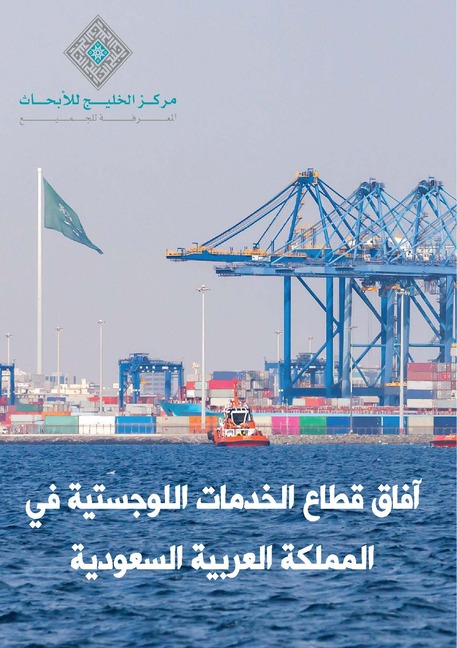
آفاق قطاع الخدمات اللوجستية في المملكة العربية السعودية

توقعات القطاع المصرفي والمالي في المملكة العربية السعودية
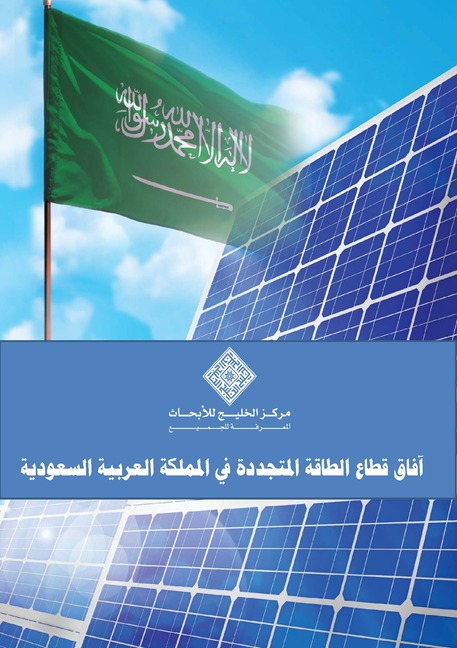
آفاق قطاع الطاقة المتجددة في المملكة العربية السعودية

آفاق قطاع الرعاية الصحية في المملكة العربية السعودية

Saudi Arabia Tourism Industry Outlook