Publications List
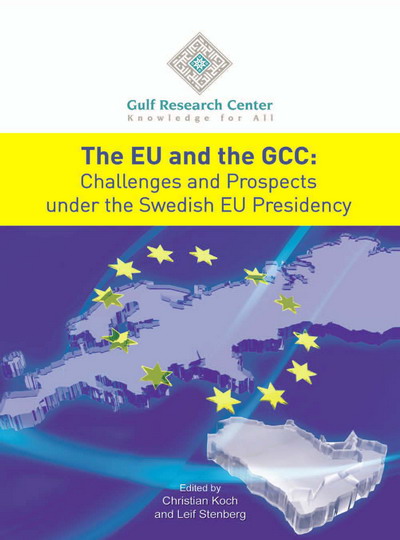
The EU and the GCC: Challenges and Prospects under the Swedish EU Presidency
More than two decades after the 1988 EU-GCC Cooperation Agreement, institutional ties between the two blocs have emerged at several levels. On the multilateral level, interactions between the European Commission and the GCC states have taken the relationship forward over the years. Relations have also proceeded similarly at the bilateral level between individual member states. However, the progress has not always been smooth. The issue of a free trade agreement (FTA) has become a sticking point and negotiations are yet to yield a concrete result. Beyond the FTA issue, however, there are several areas such as education, economic governance, Islamic finance, empowerment of women where the EU and the GCC could expand their collaboration. The two sides could also have a closer dialogue on security issues. Besides, civil society organizations in the two regions could further inter-regional cooperation. The papers in this volume examine some of these aspects of GCC-EU relations and suggest ways for a more broad-based and effective collaboration.
Other Publications