
Publications List
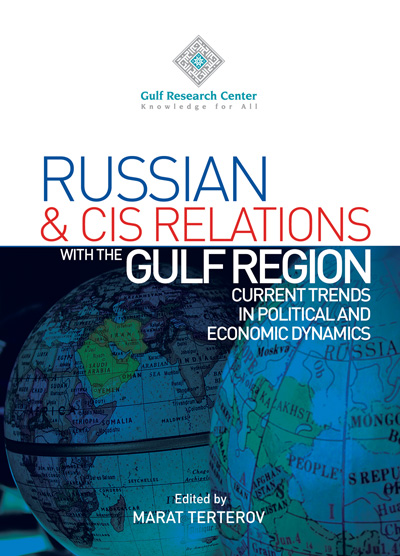
Russian and CIS Relations with the Gulf Region: Current Trends in Political and Economic Dynamics
The relations between Russia and the Gulf States on the one hand and the CIS and Gulf region on the other form the overarching theme of this book. The Soviet Union exercised an energetic foreign policy towards the Arabian Gulf and the broader Middle East during the late-Cold War period. Following the disintegration of the Soviet state, Moscow’s influence in the region rapidly declined although the Gulf retained a high level of strategic significance for the Kremlin’s foreign policy makers. In recent years, a number of pivotal factors, including international terrorism and Islamic militancy, Russia’s vast expansion in the export of its primary energy commodities to global markets, the international arms trade and nuclear non-proliferation, are all compelling Moscow to commit greater foreign policy resources into engagement with the Gulf region. In this volume, an array of scholars from different disciplines provide their perspectives on contemporary relations and diplomatic engagements between Russia, the CIS and the Gulf region. They examine the political, economic, security and cultural aspects of the relationships to provide a comprehensive overview of the burgeoning ties between the countries of these regions.
Other Publications